Finding a suitable replacement part begins with identifying the actual fault.
Why the correct replacement part matters
A washing machine can fail because of a blocked filter, worn component, damaged hose or electrical fault. These symptoms often look alike. Buying a replacement part before confirming the cause can waste money and leave the original fault unresolved. For households in Harare, the sensible starting point is to record the machine's brand, model number and symptoms, then seek a reliable diagnosis.
Understand the fault before buying a part
A symptom does not always identify a faulty component. Water left in the drum might indicate a blockage rather than a failed pump, while a machine that will not spin may have several possible causes. Before spending money, note the model number, error messages and the circumstances in which the problem occurs. A professional diagnosis can help avoid purchasing an unnecessary or incompatible component. City Appliance Repairs provides appliance repair services; this article is general guidance and does not recommend retailers or advertise spare-parts sales.
Find your exact model number
Look for the rating plate or model sticker, often around the door opening, behind the door, or on the back of the cabinet. Record the complete model identifier, product or service code and serial number if requested. Similar-looking machines may use different pumps, belts, door locks or control boards. Photograph the plate and any displayed error code. Do not dismantle electrical panels simply to locate identification.
Common components and what their symptoms mean
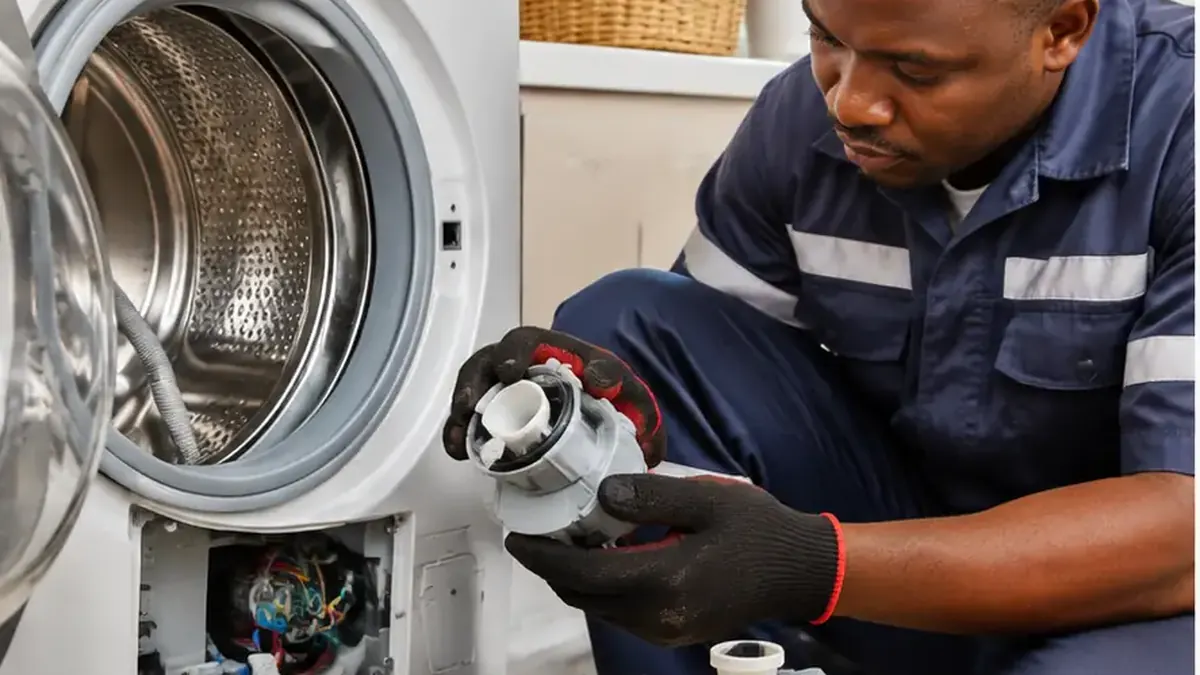
A drain pump may be suspected when water remains in the drum, but a blocked filter, kinked drain hose or plumbing issue can produce the same symptom. A worn drive belt can affect drum movement on some designs, although motor, sensor and control faults can also prevent spinning. A damaged door seal may cause leaks, while a failed door interlock can prevent a cycle starting. Water inlet valves, suspension components and electronic controls require careful diagnosis. Symptoms are clues, not proof that a specific part needs replacing.
Check simple causes before buying anything
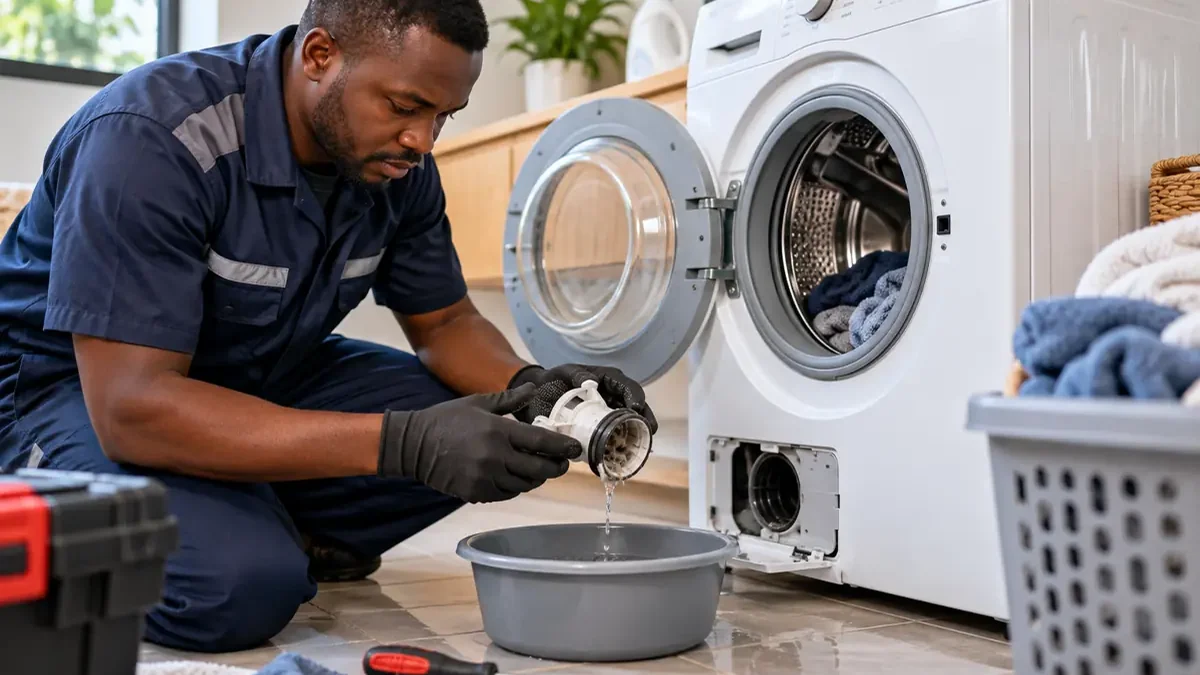
Consult the manufacturer's manual first. Check that the programme selected is appropriate and that the water supply is on. Inspect accessible external hoses for kinks and ensure the drain outlet is not obstructed. If the manual permits filter cleaning, switch off and unplug the machine, prepare for residual water and follow its instructions. Never reach into a running machine, bypass safety interlocks or open sealed electrical compartments. If you notice burning smells, sparking or repeated tripping, stop using the appliance and seek qualified assistance.
Original, compatible and refurbished parts
An original manufacturer part is designed for the relevant product specification, but even genuine parts can be wrong for a different model revision. Compatible aftermarket parts may be suitable when their specifications and supplier provenance are verified. Refurbished electrical components warrant extra caution because history and testing can be difficult to establish. Ask for a part number, model compatibility, invoice and clear return terms. A photograph alone is not reliable proof of compatibility.
Questions to consider before buying a replacement part
Check whether the component is new, original, compatible or refurbished. Confirm the part number against the complete model identification, assess the component's condition, understand any return terms and consider whether qualified fitting will be needed. Keep a record of the specification and purchase details. Avoid paying for a vaguely described component on the promise that it fits every washing machine.
Why a professional diagnosis may cost less overall
Replacing parts by trial and error can become expensive, particularly with electronic controls. A technician can distinguish an obstructed drain from a pump fault or a mechanical issue from a motor-control problem. Professional fitting also helps reduce risks from water leaks, incorrect wiring and damaged seals. Ask for the diagnostic findings and a clear repair quotation before authorising replacement. Not every machine is economical to repair, especially where several expensive components are affected.
Repair or replace the washing machine?
Consider the age and general condition of the appliance, the likely remaining service life, the verified fault and the total repair cost. Compare that with a suitable replacement appliance, including installation and disposal implications. A relatively inexpensive hose or seal may justify repair; extensive corrosion, repeated failures or a costly control system may change the calculation. A diagnosis provides a better basis for deciding than the machine's symptoms alone.
Frequently asked questions
Can I fit a part myself? Only undertake user-maintenance tasks expressly described in your manual. Internal electrical and mechanical repairs are better left to qualified professionals.
How long will sourcing take? It depends on the make, model, supplier and availability; request an estimate rather than assuming same-day stock.
Can a technician identify the part from a photograph? Photographs help, but a model number and diagnosis are usually necessary.
Is the cheapest part best? Not necessarily. Compatibility, condition, supplier support and safe installation matter more than the sticker price.
Get help with washing machine repairs in Harare
If your machine is not draining, spinning, filling or completing cycles, start with a proper assessment rather than buying parts blindly. Read about washing machine repair and installation or contact City Appliance Repairs to describe the fault and ask about an assessment. You can also consult our guides to water left in the drum and spin problems.