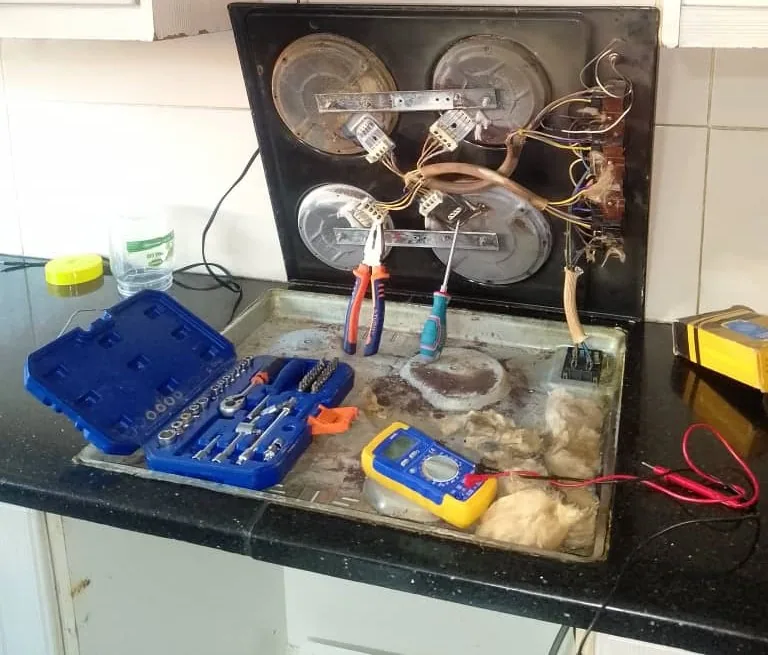
Oven not reaching temperature: If your oven is not reaching temperature, you are most likely dealing with one of four problems: a faulty thermostat, a failing heating element, a worn door seal, or a fan motor that is no longer circulating heat properly. None of these faults fix themselves, and most will worsen over time — but several safe checks can help you understand what is happening before you pick up the phone.
How to Tell If Your Oven Is Not Reaching the Set Temperature
The clearest sign is food that takes noticeably longer to cook than it should, or that comes out undercooked even when you follow a recipe exactly. Other signs include:
- The oven feels warm but never truly hot, even after a long preheat
- The indicator light or display suggests the oven has reached temperature, but the interior does not match
- Baked goods are pale and soft when they should be golden and firm
- Roasting times are consistently longer than the recipe states
A simple way to confirm the problem is to place an oven thermometer — available at most hardware shops — inside the oven, follow the appliance manual's recommended temperature-check procedure. A substantial or persistent difference between the set temperature and the actual reading may point to a fault worth investigating.
Thermostat Faults and Inaccurate Temperature Control
The thermostat is the component that reads the oven's internal temperature and signals the heating elements to switch on or off. When it fails, it can cause the oven to underheat, overheat, or cycle erratically.
Can a faulty thermostat cause an oven to underheat?
Yes — a thermostat that reads the temperature as higher than it actually is will cut power to the heating elements too early, leaving the oven well below the set temperature. The oven may appear to be working normally because the controls respond and the light comes on, but the heat never builds to the correct level.
Signs of a thermostat fault include:
- Oven temperature that varies wildly between cooking sessions
- The oven cycling off very quickly after switching on
- A consistent gap between the set temperature and the thermometer reading
Thermostat replacement requires the correct part for your specific oven model and should be carried out by a qualified technician, as it involves working with electrical components.
Heating Element Problems in Electric Ovens
Electric ovens rely on one or more heating elements — typically a bake element at the bottom and a grill element at the top. When an element fails partially or completely, the oven loses a significant portion of its heating capacity.
What causes an electric oven to heat unevenly?
Uneven heating is often caused by a partially failed element. Instead of glowing red across its full length, a damaged element may only heat in sections, creating hot and cold spots inside the oven. You may notice one side of a tray browning faster than the other, or the top of a dish cooking while the bottom stays pale.
A fully failed element will prevent the oven from reaching any useful temperature at all. You can sometimes spot a damaged element visually — look for blistering, a break in the element wire, or dark burn marks. Do not touch the element while the oven is connected to power.
Element replacement is a straightforward repair for a technician but is not a safe DIY task, as it involves disconnecting and reconnecting live electrical components.
Door Seal Wear and Heat Loss
How do I know if my oven door seal is letting heat escape?
The door seal — also called the gasket — runs around the inner edge of the oven door and keeps hot air inside the cavity. When it wears, cracks, or pulls away from its channel, heat escapes continuously, and the oven struggles to reach or hold its set temperature.
To check the seal, open the oven door and run your fingers around the full length of the gasket. Look and feel for:
- Sections that are hard, brittle, or crumbling
- Gaps where the seal has pulled away from the door frame
- Visible tears or flattened sections that no longer spring back
- Excessive heat felt on the outside of the door or around its edges during cooking
You can also hold a piece of paper in the closed door at various points around the frame. If the paper slides out easily, the seal is not gripping properly and heat is escaping at that point.
Door seals are one of the more accessible parts to replace, but the correct seal must match your oven's make and model to fit properly and create an effective barrier.
Fan Oven Motor Faults Affecting Heat Distribution
Fan-assisted ovens use a motor-driven fan at the rear of the cavity to circulate hot air evenly around the food. When the fan motor weakens or fails, hot air pools near the elements rather than spreading through the oven, leading to uneven cooking and an apparent inability to reach temperature in parts of the cavity.
Signs of a fan motor problem include:
- A fan that spins slowly or intermittently rather than at a steady speed
- Unusual grinding or rattling noises from the back of the oven during use
- Food cooking unevenly despite being placed centrally on the shelf
- The oven taking much longer than usual to heat up, even though the elements appear to be working
Why does an oven take much longer than usual to heat up? A sluggish fan motor is one common reason — without proper air circulation, heat builds slowly and unevenly. A failing element or a leaking door seal can cause the same symptom, which is why identifying the specific fault matters before ordering parts.
Safe Checks Before Calling a Technician
There are several things you can check safely without opening the oven's electrical components:
- Use an oven thermometer. Confirm whether the actual temperature matches the set temperature. This tells you whether the fault is real and how large the gap is.
- Inspect the door seal. Check visually and with the paper test described above. A damaged seal is easy to identify without any tools.
- Watch the heating elements. With the oven set to a bake function, look through the oven window after a few minutes. Both elements should glow evenly. Dark or unlit sections indicate a fault.
- Listen to the fan. In a fan oven, you should hear a steady hum. Silence, grinding, or intermittent spinning suggests a motor problem.
- Check the power supply. Ensure the oven is properly plugged in or that the circuit breaker has not tripped. A partial power supply can prevent elements from reaching full heat.
Do not remove panels, disconnect wiring, or attempt to test components with a multimeter unless you are trained to do so. Ovens store electrical charge even when switched off at the wall.
When Professional Diagnosis Is Necessary
If your safe checks point to a thermostat fault, a failed element, a worn seal that needs an exact replacement, or a fan motor problem, the next step is a professional diagnosis. Attempting these repairs without the right tools and knowledge risks electric shock, further damage to the appliance, or a fire hazard.
A technician can test each component accurately, source the correct replacement part for your oven's make and model, and carry out the repair safely. In Harare, City Appliance Repairs handles stove and oven repairs for households across the city. If your oven is not reaching temperature and your checks have not resolved the issue, get in touch with the team for a proper diagnosis and repair.
For professional diagnosis and repair assistance in Harare, contact City Appliance Repairs.
Frequently asked questions
Why does my oven take much longer than usual to heat up?
The most common causes are a partially failed heating element, a sluggish fan motor that is not circulating heat properly, or a worn door seal that is allowing heat to escape. An oven thermometer can help confirm whether the oven is actually reaching the set temperature or falling short.
Can a faulty thermostat cause an oven to underheat?
Yes. A thermostat that reads the internal temperature as higher than it actually is will cut power to the heating elements too early, leaving the oven well below the set temperature. The oven may appear to function normally, but the actual heat inside the cavity will be insufficient.
How do I know if my oven door seal is letting heat escape?
Inspect the seal for cracks, tears, hardened sections, or gaps where it has pulled away from the door frame. You can also close the door on a piece of paper at several points around the frame — if the paper slides out easily, the seal is not gripping and heat is escaping at that point.
What causes an electric oven to heat unevenly?
Uneven heating is most often caused by a partially failed heating element that only heats in sections, or a fan motor that is no longer circulating hot air evenly around the cavity. A damaged door seal can also create cold spots if heat is escaping from one area of the door.
Is it safe to check my oven's heating elements myself?
You can observe the elements visually through the oven window while the oven is running to check whether they glow evenly. However, you should never touch, remove, or test elements with tools while the oven is connected to power, as ovens carry electrical charge that poses a serious shock risk.