Finding the correct washing machine spare parts is often the difference between a lasting repair and a machine that breaks down again within weeks. The right part, fitted correctly, restores your appliance to safe working order. The wrong one — or a genuine part fitted badly — can cause further damage, void any existing warranty, or create a safety hazard. This guide helps you understand what to look for, what to avoid, and when it makes more sense to hand the job to a qualified technician.
Why sourcing the right washing machine part matters
A washing machine is a complex appliance. It combines electrical components, mechanical parts, water management systems, and motor-driven functions that all depend on one another. When one part fails, the symptoms can point to several possible causes. Ordering a replacement without a confirmed diagnosis means you may fit the wrong component entirely — wasting money and leaving the real fault unresolved.
Beyond diagnosis, compatibility matters. Washing machine parts are often model-specific. A drum bearing that fits one brand may share a similar appearance but differ in dimensions, load rating, or material quality. Fitting an incompatible part puts stress on surrounding components and shortens the life of the repair.
Common washing machine parts that fail and need replacing
Some components wear out faster than others, regardless of brand or age. The following are among the most frequently replaced parts:
- Door seal (gasket): The rubber seal around the door opening deteriorates over time, leading to leaks and mould build-up.
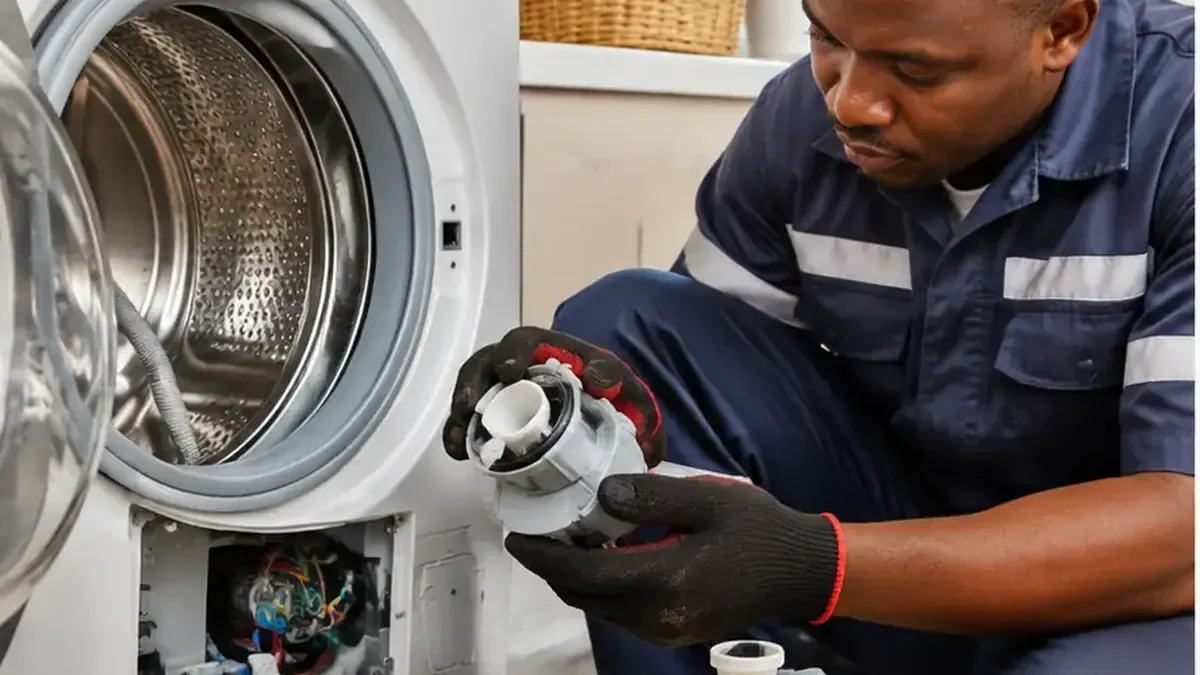
- Pump filter and drain pump: Blockages and pump failure are common causes of water not draining properly.
- Carbon brushes: These wear down in motor-driven machines and cause the drum to stop spinning or spin intermittently.
- Door latch and interlock: A faulty interlock prevents the machine from starting or causes it to stop mid-cycle.
- Bearings and drum spider: Worn bearings produce a loud rumbling noise during the spin cycle and worsen quickly if ignored.
- Control board and timer: Electronic faults can cause erratic behaviour, unresponsive controls, or error codes.
- Water inlet valve: A failed valve means the machine does not fill, or fills too slowly.
- Belt: On belt-driven models, a snapped or stretched belt stops the drum from turning.
Identifying which of these has failed requires testing, not guesswork. Many symptoms overlap — a machine that will not spin, for example, could point to brushes, a belt, a faulty lid switch, or a control board issue.
Challenges of finding genuine parts locally
Sourcing washing machine spare parts presents real challenges. Stock availability varies, and not every supplier carries parts for every brand or model. Imported parts can take time to arrive, and the market includes a mix of genuine manufacturer parts, compatible aftermarket alternatives, and low-quality imitations that are difficult to distinguish by appearance alone.
Without a confirmed part number and model reference, there is a genuine risk of purchasing something that looks right but is not. Some suppliers may not offer returns once a part has been opened, so an incorrect purchase becomes a sunk cost.
Established repair technicians who work with washing machines regularly tend to have existing supplier relationships and know which sources are reliable for specific brands. That knowledge is not easily replicated by a household making a one-off purchase.
How a repair technician sources and fits parts correctly
A professional technician begins with a proper diagnosis before any part is ordered. This typically involves running the machine through its cycles, checking error codes where applicable, and testing individual components with appropriate tools. Only once the fault is confirmed is a replacement part identified by its correct part number.
Sourcing then follows established supplier channels. A technician familiar with the local market knows where to find genuine or quality-assured compatible parts for the brands they service regularly, and can often obtain parts faster than a household searching independently.
Fitting is carried out with the machine safely isolated from power and water. Reassembly is checked before the machine is tested under load. This end-to-end process reduces the chance of a repeat fault and ensures the repair is done safely.
Risks of fitting incorrect or low-quality parts yourself
DIY repairs are appealing when the cost of a technician feels significant. However, there are real risks worth weighing honestly:
- Misdiagnosis: Replacing a part that was not the cause of the fault leaves the original problem in place.
- Compatibility errors: A part that fits physically but differs in specification can damage the motor, control board, or other components.
- Safety hazards: Washing machines involve both mains electricity and water. Incorrect reassembly can create shock or fire risks.
- Voiding warranties: If your machine is still under a manufacturer or retailer warranty, DIY repairs may void it.
- Worsening the fault: Some faults — particularly bearing failure — deteriorate rapidly if the machine continues to be used. Delay or an incomplete repair can turn a manageable job into a more expensive one.
If you are confident in the diagnosis, have the correct part number, and are comfortable working safely with electrical appliances, a straightforward repair such as replacing a door seal or carbon brushes may be manageable. For anything involving the motor, control board, drum, or water inlet system, professional fitting is the safer and often more cost-effective choice.
What to expect when you book a washing machine repair
When you contact City Appliance Repairs, the process is straightforward. You describe the symptoms — what the machine is doing or not doing, any error codes displayed, and the brand and model if you have it to hand. A technician is arranged to visit your home, assess the machine, and confirm the fault.
If a part needs to be ordered, you will be told what is required and given an indication of how long sourcing is likely to take. Once the part is available, fitting is completed at your property and the machine is tested before the technician leaves.
On the question of cost: using a repair service means you pay for diagnosis, parts, and labour together. Sourcing parts independently saves the parts mark-up but adds your own time, the risk of an incorrect purchase, and the cost of fitting — whether that is your own labour or a separate call-out. For most households, the combined cost of a professional repair is competitive once those factors are considered honestly.
Get in touch with a washing machine repair specialist
If your washing machine is leaking, not spinning, failing to drain, or showing an error code you cannot clear, the most practical next step is a proper diagnosis rather than ordering parts speculatively.
City Appliance Repairs offers washing machine repairs and installation in the local area. Contact the team to describe your fault and arrange a technician visit. A confirmed diagnosis means any parts sourced are the right ones — and the repair is done once, correctly.
For professional diagnosis and repair assistance locally, contact City Appliance Repairs.
Frequently asked questions
Where can I find washing machine spare parts in Harare?
Parts are available through various local suppliers and importers, though stock varies by brand and model. Established repair technicians often have reliable supplier contacts and can source parts more efficiently than a household making a one-off purchase.
Can I order washing machine parts and fit them myself?
Some straightforward parts, such as door seals or carbon brushes, can be fitted by a confident DIYer with the correct part number and safe working practices. For faults involving the motor, control board, drum, or water systems, professional fitting is strongly advisable to avoid safety risks and further damage.
How do I know which part my washing machine needs?
Accurate diagnosis requires testing the machine's components, not just observing symptoms. Many faults share similar symptoms, so a technician's assessment is the most reliable way to confirm which part has failed before anything is ordered.
Is it cheaper to source parts myself or use a repair service?
Sourcing parts independently avoids a mark-up but adds the cost of your time, the risk of purchasing the wrong part, and separate fitting costs. For most repairs, a professional service covering diagnosis, parts, and labour together is competitive when all factors are considered.
How long does it take to get washing machine parts?
Lead times depend on the brand, model, and whether the part is held locally or needs to be imported. A technician with established supplier relationships can usually give you a realistic timeframe once the correct part has been identified.